Maintaining a modern kitchen requires more than just wiping down counters after cooking. Implementing proper smart kitchen appliance care is the absolute best way to protect your high-tech investments, cut down on sudden electricity bills, and ensure your devices perform flawlessly for years to come. Modern smart gadgets come packed with sensitive sensors, Wi-Fi modules, and touchscreens that demand specialized attention compared to traditional tools.
Whether you own a connected refrigerator, a smart air fryer, or a high-end espresso machine, routine maintenance is no longer optional. Neglecting basic smart kitchen appliance care can cause sensor failures, software glitches, and poor energy efficiency. This comprehensive guide uncovers seven practical secrets to optimize your appliance health, maximize operational lifespan, and keep your kitchen running smoothly through professional smart kitchen appliance care practices.
Why Routine Smart Kitchen Appliance Care Matters
Investing in smart kitchen gear transforms your daily cooking experience, but these advanced tools require precise upkeep. Traditional cleaning methods can sometimes harm sensitive digital components. Regular software updates, proper ventilation, and deep cleaning prevent internal wear and tear, safeguarding both hardware and software features under an organized system of smart kitchen appliance care.
Enhancing Device Efficiency and Performance
When dust accumulates on sensors or grease blocks ventilation ports, your appliances work twice as hard to achieve basic results. A smart oven with blocked airflow will consume more power and cook food unevenly. Consistent smart kitchen appliance care keeps internal systems clear, maintaining optimal airflow and lowering your monthly utility costs significantly.
Preventing Expensive Sensor and Software Glitches
Smart appliances rely heavily on electronic control units (ECUs) and optical sensors to automate tasks. Moisture buildup or grease film on a touch panel can trigger phantom presses or system freezes. Taking time for proactive smart kitchen appliance care ensures these high-tech elements remain responsive, accurate, and completely free from unexpected hardware malfunctions.
1. Mastering Touchscreen Protection in Smart Kitchen Appliance Care
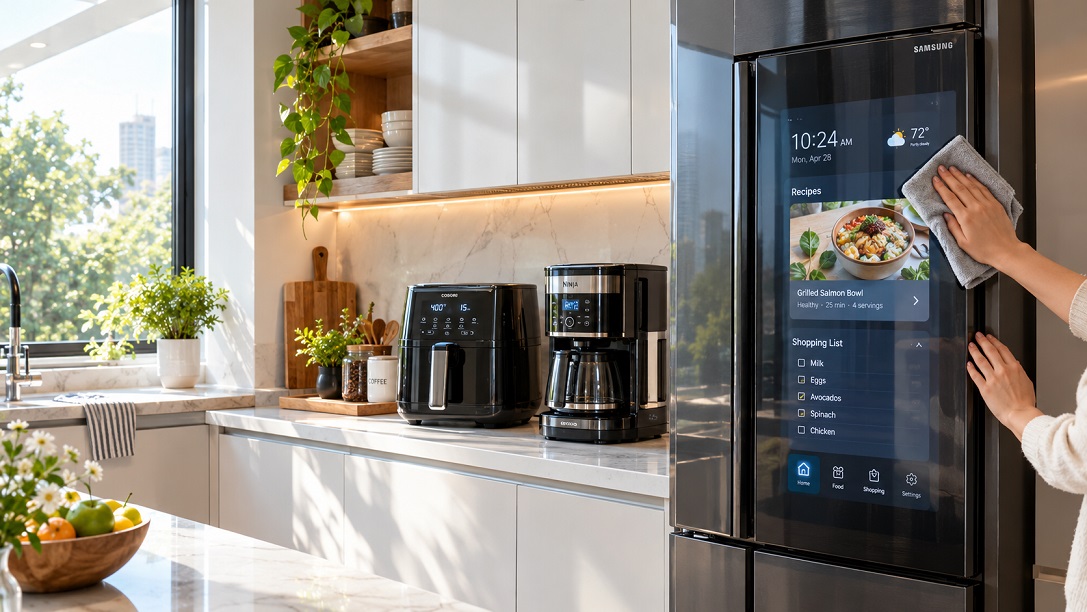
The digital control panel is the brain of any modern kitchen gadget. Keeping this area clean and dry is vital for seamless operations, making it a primary focus of daily smart kitchen appliance care. Never spray liquid cleaners directly onto screens, as moisture can easily seep into the edges and short-circuit the display panel beneath.
To clean touchscreens safely during smart kitchen appliance care:
- Power down or unplug the appliance before cleaning.
- Use a dry, high-density microfiber cloth to remove fingerprints.
- Dampen the cloth slightly with distilled water for stubborn smudges.
- Avoid abrasive pads, paper towels, or chemical glass cleaners.
Regularly check around the bezel of the screen for grease buildup, gently removing residue with a wooden toothpick if necessary as part of your smart kitchen appliance care routine.
Understanding Sensor Vulnerabilities
Many smart ovens and refrigerators use optical or infrared sensors to detect food weight, temperature, or door positions. A thin layer of kitchen grease can blind these sensors. When performing routine smart kitchen appliance care, locate these sensor windows using your manual and gently wipe them with a dry cotton swab.
Handling Unresponsive Control Displays
If your smart screen becomes glitchy or stops responding to touch commands, do not press harder. Heavy pressure can crack the liquid crystal layers. Instead, your smart kitchen appliance care protocol should involve a soft reset by turning off the main power switch for two minutes, allowing the internal software cache to clear completely before rebooting.
2. Optimizing Ventilation and Clearance Space
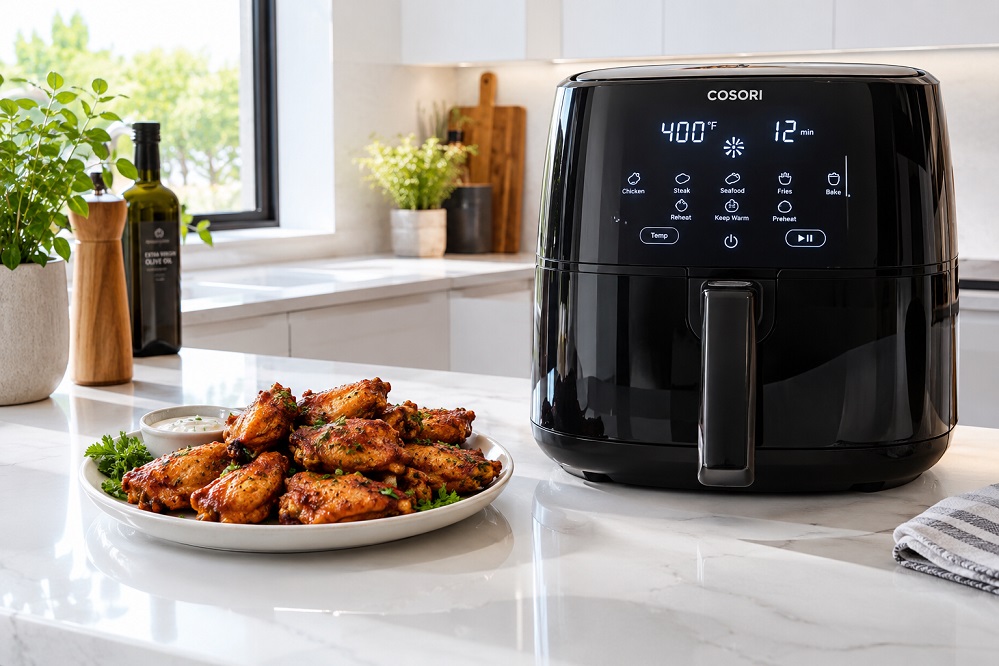
Smart cooking tools like air fryers, countertop ovens, and smart beverage makers generate significant heat during operation. They feature built-in cooling fans to prevent internal processors from overheating. If you push these appliances too close to walls or cabinets, you trap heat inside the housing, violating basic smart kitchen appliance care rules.
Always maintain a minimum clearance of 4 to 6 inches around all sides of your countertop appliances. Never block rear exhaust vents with towels, decorative items, or other kitchen utensils. For built-in smart appliances, effective smart kitchen appliance care means ensuring the cabinetry provides the exact ventilation pathways recommended by the manufacturer.
The Hidden Dangers of Cabinet Entrapment
Placing a high-heat smart device underneath low wooden cabinets can cause long-term structural damage. Not only does it pose a fire hazard, but the rising steam can warp your woodwork and induce moisture damage inside the appliance housing. Proper smart kitchen appliance care guides suggest keeping active steam-generating units on open kitchen islands or counter edges.
Maintaining Rear Cooling Fans
Countertop ovens use rapid circulation fans that pull in air from the surrounding room. Dust bunnies and airborne grease particles can coat the fan blades over time. Check the back vents every month as part of your smart kitchen appliance care checklist and use a can of compressed air to clear away any loose lint blockages before they slow the motor down.
3. Managing Firmware Updates for System Stability
Just like your smartphone, smart kitchen gear runs on operating systems that require periodic updates. Manufacturers regularly release firmware patches to fix known bugs, patch security vulnerabilities, and optimize power management algorithms. An outdated system might experience frequent Wi-Fi disconnections or app sync failures, making digital updates an essential part of smart kitchen appliance care.
Open your appliance’s companion mobile app at least once a month to check for pending updates. Enable automatic updates if the feature is available. Never unplug an appliance or turn off your home router while a firmware installation is actively in progress, as successful updates are critical for complete smart kitchen appliance care.
Ensuring Network Security for Smart Devices
Outdated firmware makes your home network vulnerable to digital security threats. Hackers often target unsecured smart devices to gain entry into home Wi-Fi networks. Regular software maintenance through proper smart kitchen appliance care keeps your security protocols updated, protecting your personal data alongside your physical appliance.
Resolving Post-Update Connection Drops
Occasionally, a fresh firmware installation might cause a minor sync error between your phone and the appliance. If your device goes offline after an update, your step-by-step smart kitchen appliance care routine should involve removing the appliance from your mobile app entirely, resetting the device network settings, and running the initial pairing sequence again from scratch.
4. Deep Cleaning Condenser Coils on Large Appliances
Large smart appliances, particularly smart refrigerators, rely on heavy-duty cooling systems to preserve your food efficiently. Dust, pet hair, and kitchen grease inevitably accumulate on the condenser coils over time. Dirty coils restrict heat release, forcing the compressor to run continuously and shortening its lifespan, which highlights the need for regular smart kitchen appliance care.
Locate the coils at the bottom or back of your refrigerator. Unplug the unit and use a dedicated coil brush or a vacuum cleaner with a brush attachment to remove debris. Performing this simple task twice a year as part of your smart kitchen appliance care routine can improve cooling efficiency by up to 30 percent.
The Mechanics of Compressor Burnout
When condenser coils are caked in grime, the heat extracted from inside the fridge cannot escape into the room. This thermal backup forces the compressor to operate at maximum capacity without breaks. Over time, failing to implement this part of smart kitchen appliance care leads to mechanical fatigue and costly compressor failure.
Protecting Smart Refrigerator Door Seals
The rubber magnetic gaskets running along the edge of your refrigerator doors keep cold air locked inside. If grease or spilled syrup accumulates on these seals, they become brittle and crack. Wipe them down weekly with warm, soapy water to maintain a tight, energy-efficient vacuum seal, ensuring optimal smart kitchen appliance care.
5. Controlling Moisture and Preventing Internal Mold
High humidity and trapped steam are major enemies of smart kitchen electronics. Dishwashers, smart pressure cookers, and coffee makers are constantly exposed to moisture, making them hotbeds for mold and mildew if not ventilated properly. Mold growth can eventually corrode interior wiring and sensors, which makes moisture control an absolute priority in smart kitchen appliance care.
Leave the door of your dishwasher or smart washing machine slightly ajar for an hour after a cycle ends. Wipe down the rubber gaskets of your smart pressure cooker lid after every use. Run a monthly empty cleaning cycle using specialized appliance cleaners or a mixture of white vinegar and baking soda to ensure complete smart kitchen appliance care.
Eradicating Deep-Seated Appliance Odors
Trapped biological matter creates foul smells that can seep into your food during preparation cycles. If a standard wash doesn’t remove the odor, your smart kitchen appliance care routine should include placing a shallow bowl of active charcoal inside the dark compartment overnight. Avoid using harsh chemical bleaches, as they degrade plastic interior walls.
Protecting Internal Electrical Traces
Steam has a unique ability to penetrate microscopic gaps in plastic housings. If you open a hot pressure cooker directly beneath a wall-mounted smart controller, the rising moisture can condense inside the electronics board. Always point steam release valves away from other digital devices to maintain perfect smart kitchen appliance care.
6. Utilizing Hard Water Descaling Protocols
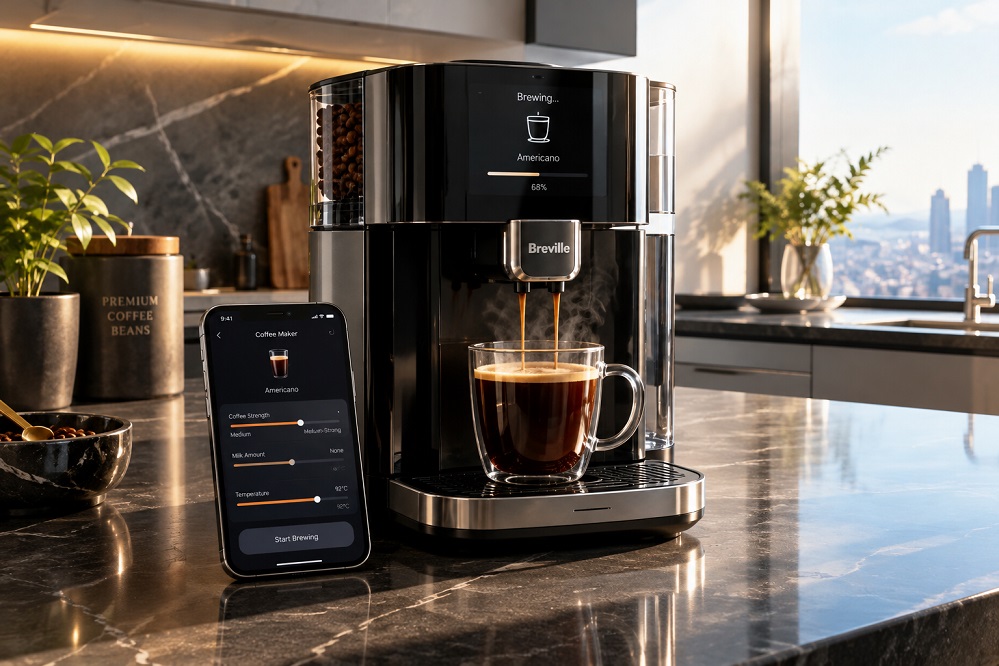
If you live in an area with high mineral content in the tap water, your smart beverage makers and steam ovens are at risk. Scale buildup clogs internal water lines, reduces heating efficiency, and can cause water pumps to fail entirely. Smart sensors will often display errors when mineral deposits coat their surfaces, requiring strict smart kitchen appliance care descaling protocols.
Always use filtered or distilled water in appliances like smart espresso machines and steam cookers. Run a dedicated descaling cycle every 2 to 3 months using a manufacturer-approved descaling solution. Promptly clear out water reservoirs when the appliance is not in use for extended periods to maintain proper smart kitchen appliance care.
The Science Behind Calcium Blockages
When hard water is heated, dissolved calcium and magnesium ions solidify into a rock-hard crust known as limescale. This crust acts as a thermal barrier over heating elements, requiring more electrical energy to heat the same amount of water. Regular descaling under systematic smart kitchen appliance care restores optimal heat transfer rates instantly.
Cleaning Internal Delivery Needles
Smart single-serve coffee makers use ultra-fine metal needles to puncture coffee pods and inject water. Fine coffee grounds can wash backward and plug these narrow pathways. Use a straightened paperclip to gently clear out the needle opening during your seasonal smart kitchen appliance care deep-cleaning routine.
7. Electrical Safety and Smart Power Management
Fluctuations in your home’s electrical grid can permanently damage the sensitive microprocessors inside smart appliances. A sudden voltage surge from a thunderstorm can fry control boards instantly, resulting in expensive repair bills or total product replacement, making surge protection a critical aspect of smart kitchen appliance care.
Protect your countertop gadgets by plugging them into high-quality surge protectors rather than standard wall outlets. For major appliances like smart refrigerators and ovens, comprehensive smart kitchen appliance care involves installing a whole-house surge protector at your main electrical panel. Always unplug small appliances during extended vacations to save energy and eliminate electrical risks.
The Limitations of Standard Extension Cords
High-wattage appliances like air fryers and dishwashers pull substantial electrical currents during peak operations. Plugging these devices into cheap, thin extension cords can lead to electrical overheating and potential melt disasters. For secure smart kitchen appliance care, always connect heavy-duty culinary equipment directly into grounded wall outlets.
Establishing a Safe Power-Down Sequence
When you need to turn off a smart appliance completely, use the software interface or digital power button first. Avoid pulling the physical plug out of the wall while a cooking cycle is running. Abrupt power loss can corrupt active system storage files and damage internal microchips, which violates safe smart kitchen appliance care practices.
Essential Smart Kitchen Maintenance Overview
| Appliance Type | Key Maintenance Area | Recommended Frequency |
|---|---|---|
| Smart Refrigerators | Condenser Coils & Water Filters | Every 6 Months |
| Smart Air Fryers | Heating Elements & Air Vents | After Every Use |
| Smart Beverage Makers | Water Descaling & Needle Cleaning | Every 2-3 Months |
| Smart Countertop Ovens | Internal Sensors & Grease Trays | Weekly |
Best Practices for Long-Term Device Reliability
Developing a consistent routine is the easiest way to stay on top of your smart kitchen appliance care checklist. Create a digital calendar reminder or use a smart home tracking app to log your maintenance activities. Taking small preventative steps today through consistent smart kitchen appliance care saves substantial time and money tomorrow.
Always keep user manuals stored safely in a digital format for quick troubleshooting reference. Pay close attention to warning codes on the device display, addressing small issues before they escalate into major hardware malfunctions to maintain perfect smart kitchen appliance care.
Designing a Practical Cleaning Schedule
Do not try to clean every piece of kitchen tech on the same afternoon. Instead, divide your duties logically across the weeks of the month. Dedicate the first weekend to cold storage units, the second weekend to countertop cookers, and the third to beverage systems for stress-free management of your smart kitchen appliance care tasks.
When to Call Professional Technicians
While basic surface upkeep and software reboots are simple to manage at home, avoid opening up internal mechanical housings yourself. If an appliance displays a terminal system error code or emits a burning electrical smell, cut the power immediately and contact an authorized repair center to protect your active warranty coverage under professional smart kitchen appliance care guidelines.
Advanced Troubleshooting for Smart Culinary Gear
Even with immaculate physical care, digital systems will occasionally experience software conflicts. Understanding how to interpret error messages saves hours of confusion. Most modern companion applications feature diagnostic tabs that pinpoint the exact component requiring attention during your smart kitchen appliance care inspection.
Interpreting Digital Error Code Sequences
When an internal sensor registers a reading outside its safety parameters, it triggers a specific alpha-numeric code on the control panel. Keep an index of these codes saved on your smartphone. Cross-referencing these messages allows you to tell the difference between a simple filter block and a dangerous motor failure instantly, speeding up your smart kitchen appliance care efforts.
Managing Smart Application Account Syncing
If your appliance functions perfectly via physical buttons but refuses to respond to smartphone automation commands, the issue usually lies within the cloud server sync. Log completely out of your brand user account, delete the application cache inside your phone settings, and sign back in to refresh the secure data streams for seamless smart kitchen appliance care.
The Economic Benefits of Preventative Upkeep
Committing to a regular maintenance lifestyle yields massive dividends over time. Beyond the obvious pleasure of cooking in a clean, functional workspace, the direct financial savings of consistent smart kitchen appliance care are substantial enough to impact your overall household budget positively.
Reducing Annual Home Energy Expenditures
Appliances running under heavy stress from dust or scale blockages draw far more wattage from your home grid than clean units. By keeping your heating elements free of scale and your cooling fans clear of debris, you maintain the tight energy-efficiency ratings certified by the manufacturer, proving the value of strict smart kitchen appliance care.
Maximizing Long-Term Resale and Trade-In Value
Should you decide to upgrade your smart home network in the future, well-maintained tech retains excellent secondary market value. Keeping original accessories immaculate, updating internal firmware, and preserving blemish-free digital screens makes your used hardware highly attractive to prospective buyers, rewarding your long-term dedication to smart kitchen appliance care.
Note: Product links will be available soon. You can copy the product name to check current prices on Amazon.
External References & Helpful Resources
- Learn more about home appliance safety standards on Wikipedia (Wikipedia link for general context).
- Read official maintenance guidelines and safety procedures directly on the Energy Star official government portal.
- Explore the official Samsung SmartThings Support page for detailed smartphone integration and troubleshooting tips.
Internal Guides from KitchenGadgetNest
- Check out our comprehensive guide on the Best Smart Refrigerators: 7 Mind-Blowing Tools to discover top-rated cooling tech.
- Read our expert analysis on Best Smart Air Fryers: 7 Top Connected Air Cookers for optimal countertop cooking performance.
- Browse through the Best Smart Kitchen Appliances: 7 Mind-Blowing Tools to find the perfect gear for your modern home setup.
- Explore our review of the Best Smart Coffee Makers: 7 Smart Brewers for Clean Energy to elevate your morning brewing routine.